
- Your cart is empty
- Continue Shopping


Surgical Forceps instrument chennai- LUNEXT HEALTH CARE : best rates no1
- uncategorized
- Posted on
-
by LUNEXT
- 0 comments
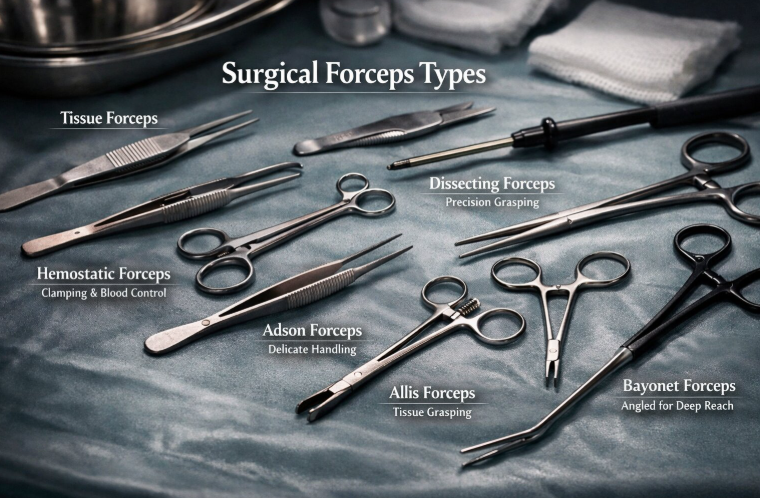
Surgical forceps instrument includes Artery Forceps, Dressing Forceps, Tissue Forceps, Hemostatic Forceps, Biopsy Forceps, Thumb Forceps, Mosquito Forceps etc
Functions of Surgical Forceps
- They hold tissues during surgical procedures
- Clamp blood vessels to control bleeding
- Grasp dressing and surgical materials
- Handle delicate organs and tissues
- Help in biopsies and sample collection
- Improve precision during surgical interventions.
Types of Forceps used in Surgery
Different surgical procedures require different forceps designs. Here are some of the common types of medical surgical forceps and their uses.
- Artery Forceps: Artery forceps uses are many, including clamping blood vessels and controlling bleeding during surgery. They feature locking handles that maintain pressure on the vessel without requiring continuous hand force. The other uses include holding tissues temporarily and helping in wound closure procedures.
- Dressing Forceps: These are non-locking instruments primarily used for handling dressings, gauze and sterile materials. Dressing forceps uses include applying and removing wound dressings, handling sterile surgical materials, cleaning wounds and helping in minor procedures.
- Tissue Forceps: They are used to hold and stabilize tissues during surgical procedures. Some types have teeth at the tip for a firm grip. The tissue forceps functions include grasping skin and soft tissues, holding tissues during suturing, helping in wound closure and tissue manipulation during surgery.
- Hemostatic Forceps: These tools are specialized instruments used to stop bleeding by compressing blood vessels. The uses of hemostatic forceps include controlling haemorrhage, clamping small blood vessels, preventing excessive blood loss and maintaining a clear surgical field.
- Biopsy Forceps: The biopsy forceps are designed to collect tissue samples for diagnostic testing and pathological examination. The common functions of biopsy forceps are obtaining tissue samples, diagnosing cancer and other diseases, and used in endoscopic procedures and gastrointestinal examinations.
- Thumb Forceps: A simple, tweezer-like instrument is operated using thumb pressure and finger control. The thumb forceps surgical uses include handling delicate tissues, removing foreign objects, helping in suturing and manipulating surgical materials.
- Mosquito Forceps: A small, fine-tipped hemostatic forceps used for delicate surgical work, mosquito forceps are commonly used in plastic surgery, pediatric surgery, microsurgical procedures and more. The mosquito forceps uses include clamping tiny blood vessels, controlling minor bleeding, and performing delicate procedures and enable handling of tissue with precision.
- Allis Forceps: They feature serrated jaws with interlocking teeth, providing a secure grip on tissue. The functions of allis forceps include holding tough tissues, grasping fascia and skin, tissue traction during surgery and securing surgical materials. They are commonly used in general surgery, gynaecological procedures, orthopaedic surgeries and abdominal operations.
- Babcock Forceps: They are designed with smooth, rounded jaws that securely hold delicate tissues without causing damage. The uses of Babcock forceps include holding intestines and bowel tissue, grasping fallopian tubes, manipulating delicate organs and preventing tissue trauma.
